Does live event personalization build real brand loyalty?
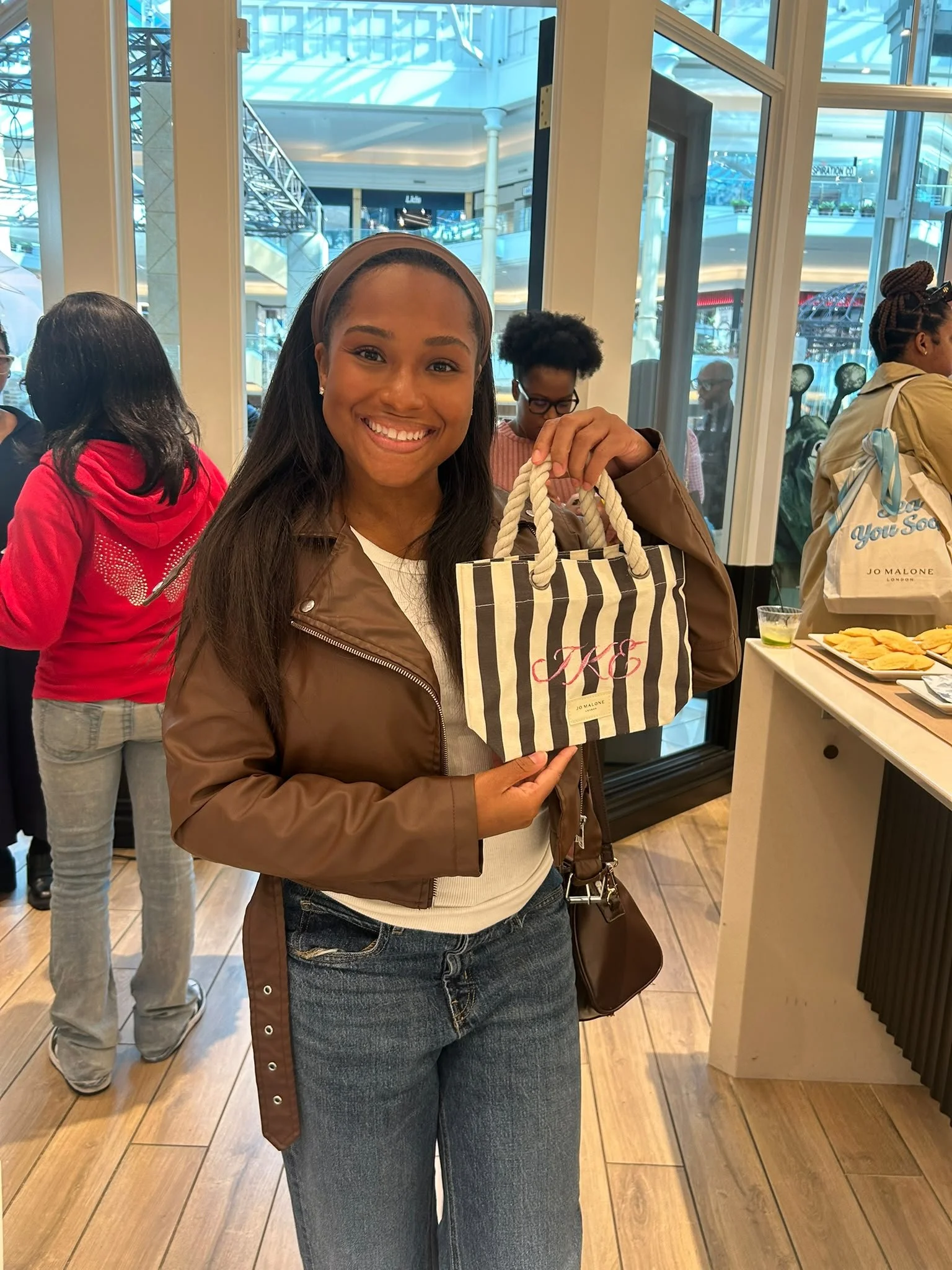
Does live event personalization improve brand loyalty? Yes, and the data is specific enough to act on. McKinsey found that 78% of consumers say personalized experiences make them more likely to repurchase. Dazzle Beverages saw its NPS jump from 38 to 67 after a multi-city personalized campaign, alongside 27% regional sales growth in the two months that followed. Those are behavioral and commercial metrics, NPS change and regional sales growth, not reach-only numbers.
This article covers the psychology behind why personalized live moments create durable loyalty, the research that supports it, five tactics with documented effects, real brand results, how to measure the uplift, and a practical checklist to implement it all. Caloswords has spent years creating these personalized moments at luxury retail activations and brand events across North America, and the work offers a useful window into what attendee personalization looks like when it's executed well.
-
![Detroit Live event engraving]()
Engraving for Georgio Armani
-
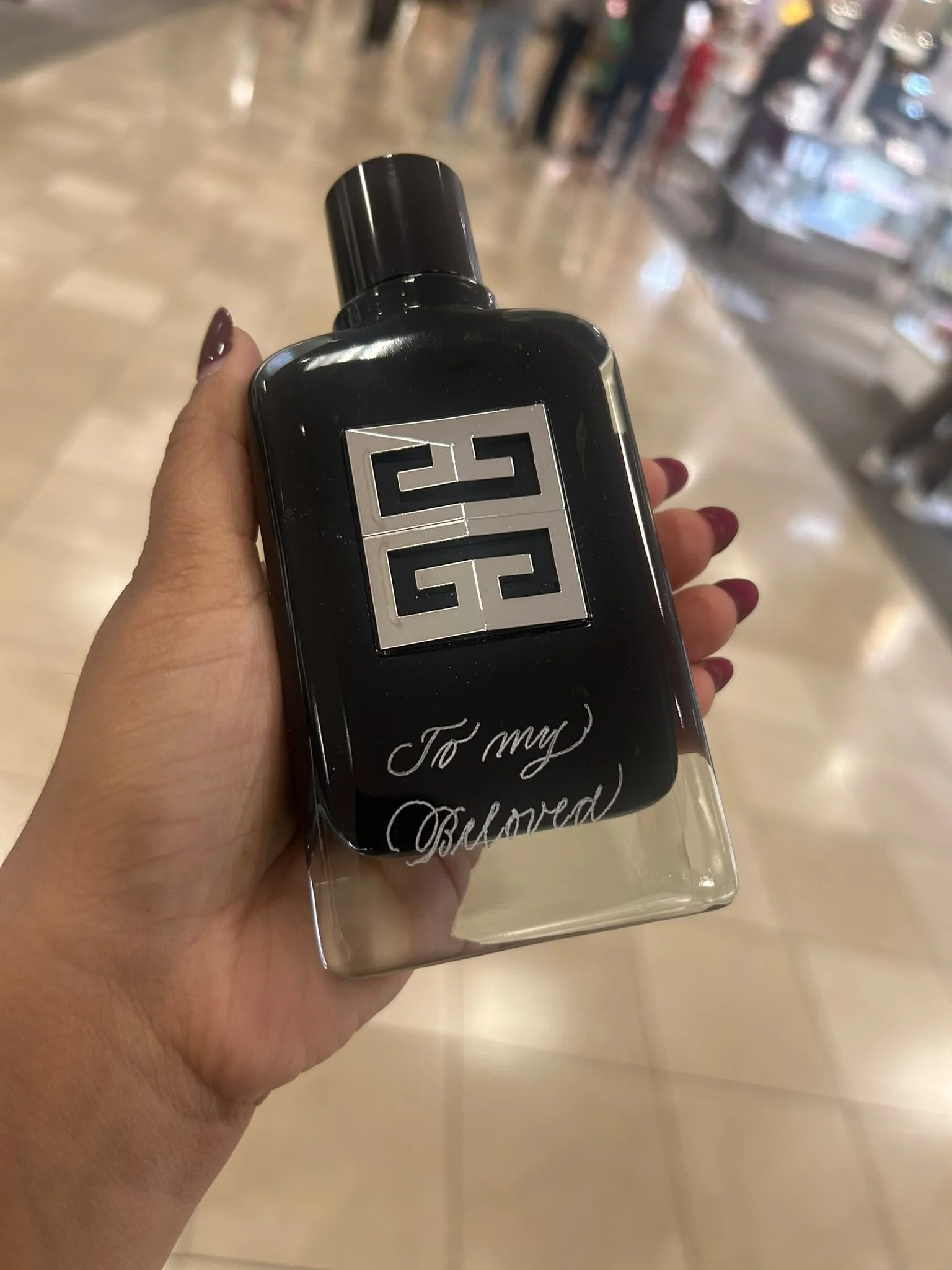
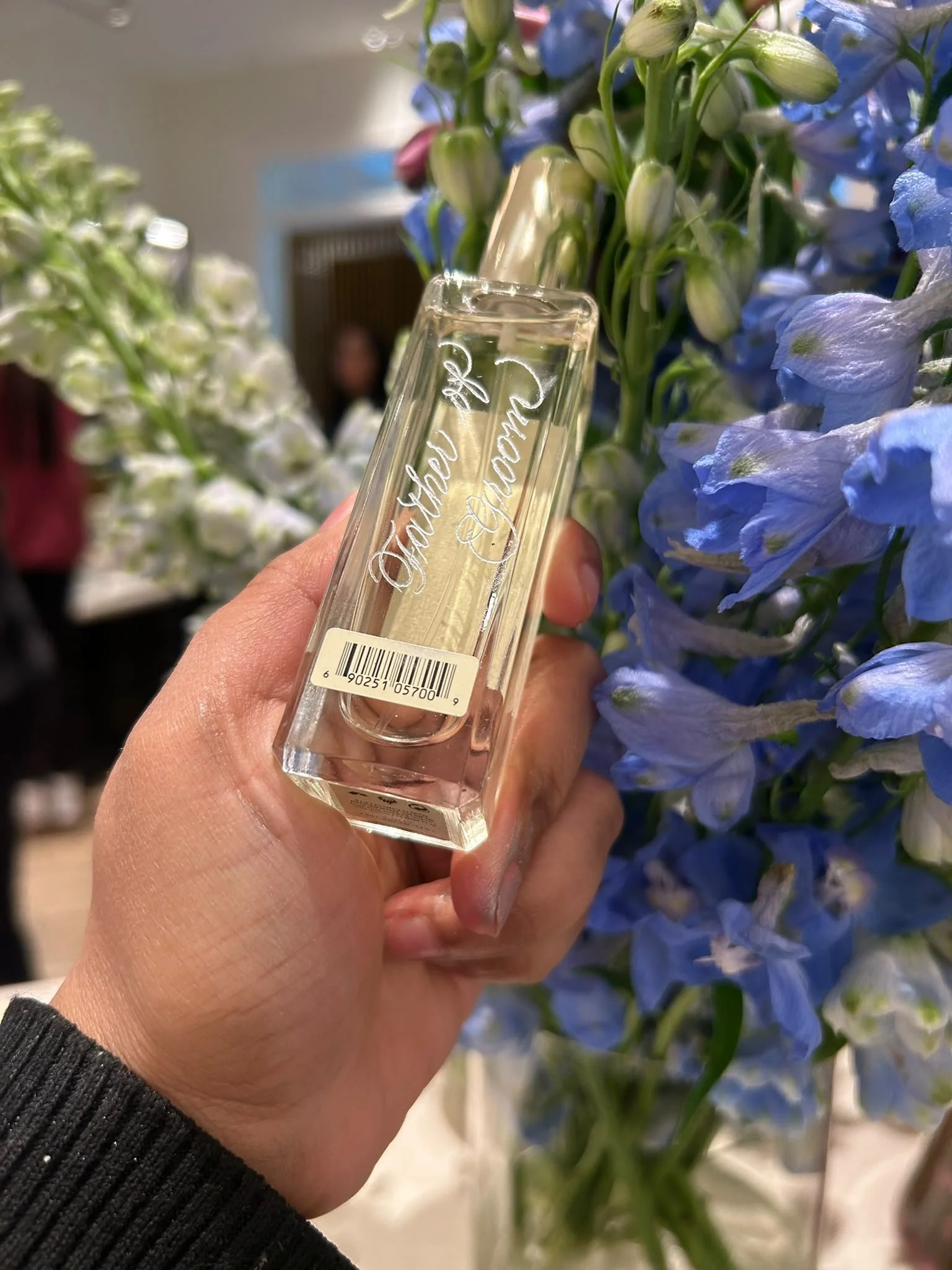
![Detroit Wedding Fragrance Engraving]()
JML Engraving
-
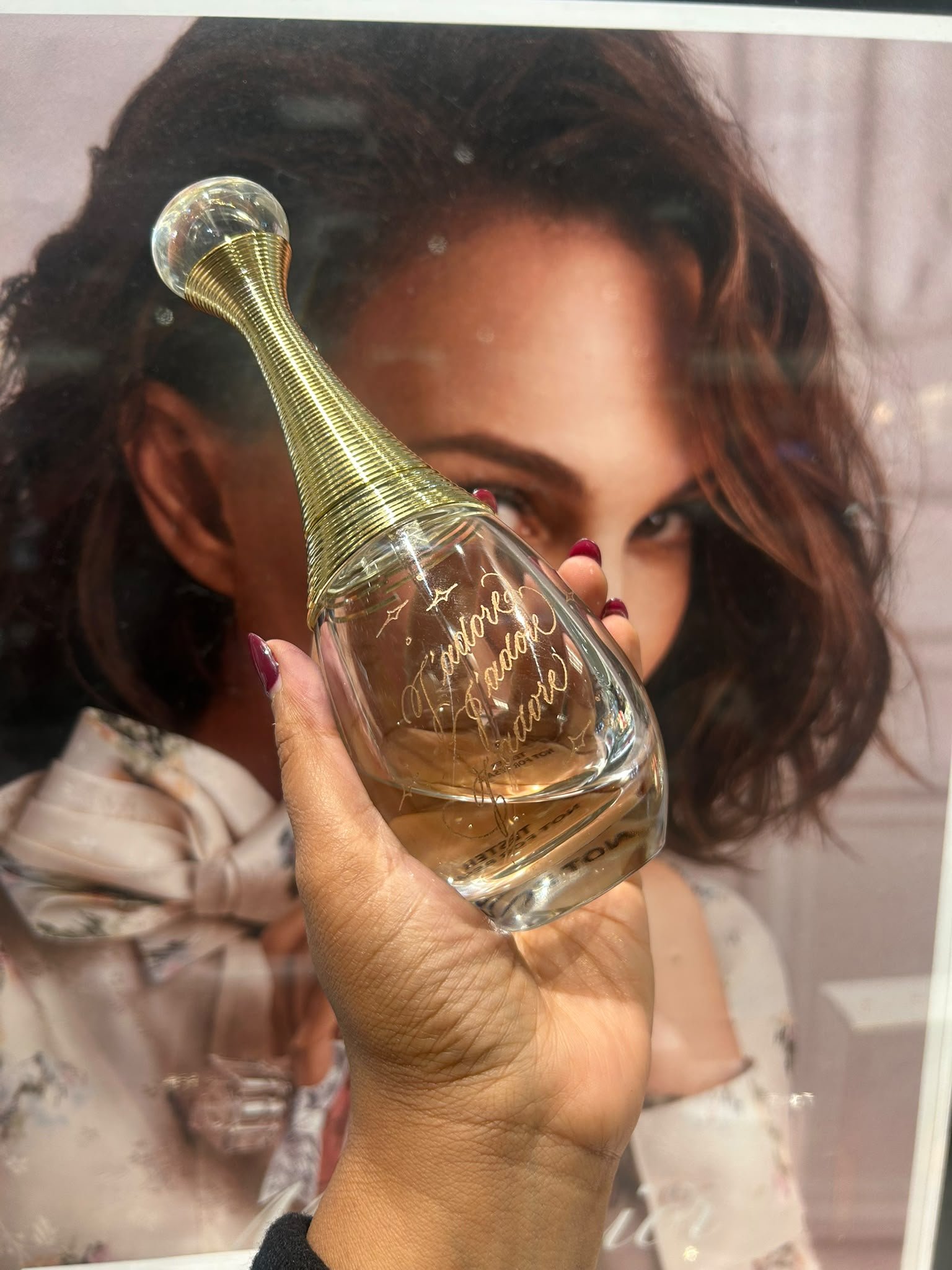
![Dior Live Event engraving Detroit]()
Dior Engraving
-
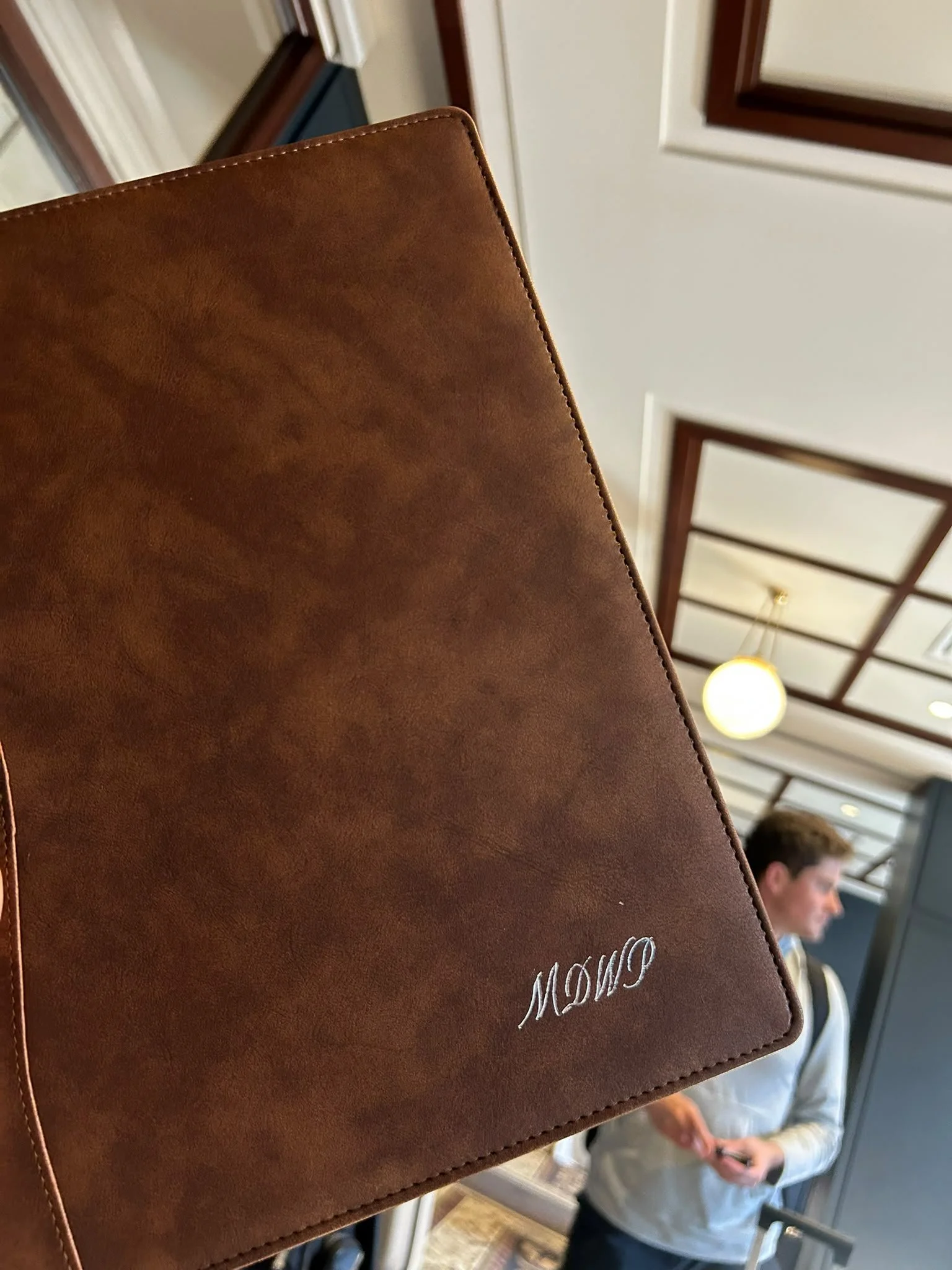
![Live Event Foiling Corporate]()
Foiling Live at a Corporate Event
-
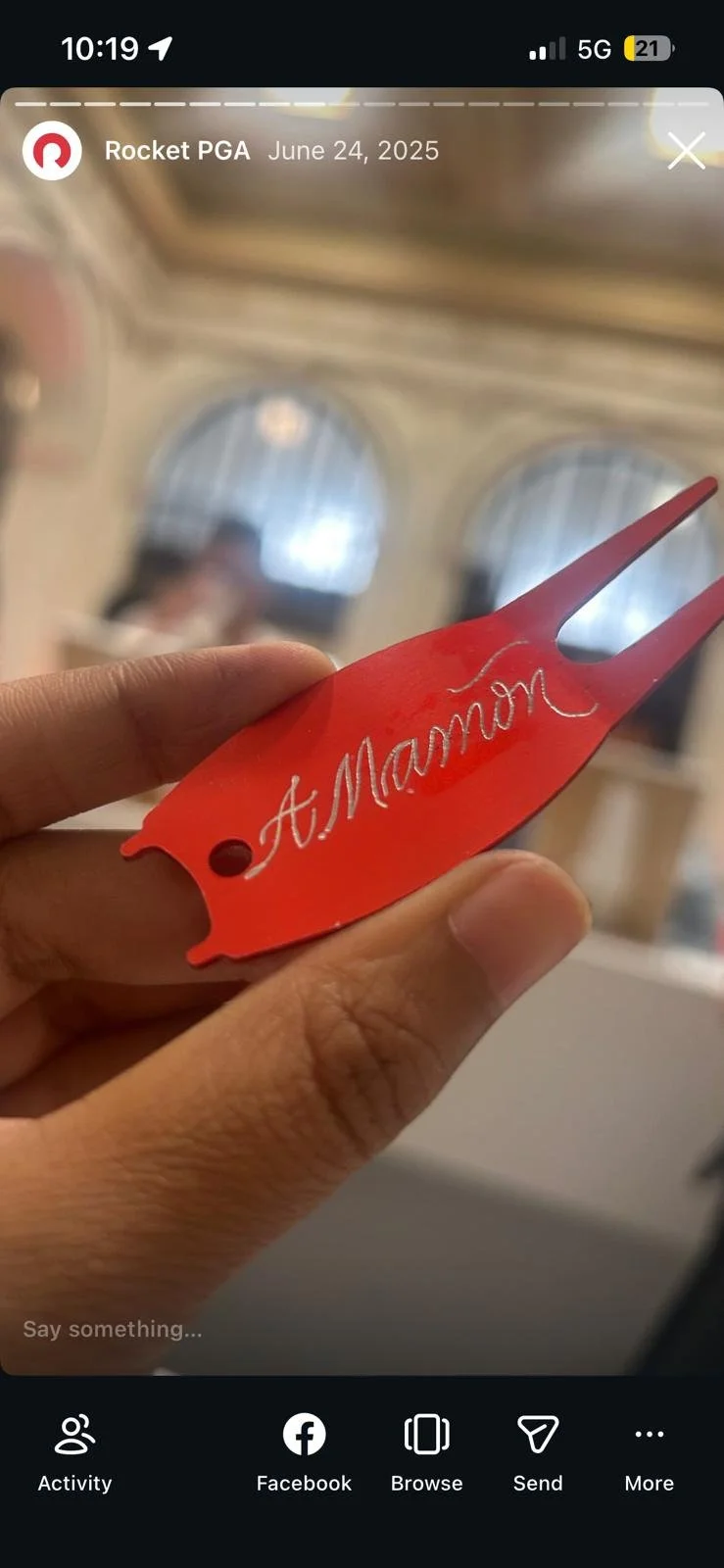
![Engraved Rocket Mosrtgage Event]()
Personalization for Rocket Mortgage
Key takeaways: does live event personalization improve brand loyalty?
Personalization drives repurchase: 78% of consumers saypersonalized experiencesmake them more likely to buy again, according to McKinsey's research on over 1,000 consumers.
Live experiences create episodic memory: In-person personalization, when it includes emotional arousal, active participation, and multisensory cues, encodes the brand as a specific autobiographical moment, not just an impression. Research supports a qualified advantage for well-designed live experiences.
Three tactics stand out: Recommended agendas, live on-site personalization stations, and behavior-based post-event follow-up have the strongest documented effects on loyalty.
Measurement requires a control group: A matched control and difference-in-differences analysis is the most reliable common approach to isolating event-driven loyalty lift. Randomized holdouts and synthetic controls are valid alternatives when a full DiD design is not feasible.
Post-event follow-up is where loyalty is cemented: Personalized follow-up tied to in-event behavior converts emotional highs into measurable behavior change.
Why a personalized live moment stays with your customer longer than a digital one
When a guest receives something created specifically for them at a live event, the experience does more than impress. It encodes the brand as a personal memory. Neuroscience supports a qualified advantage for well-designed live experiences, with emotional arousal, active participation, and multisensory context as the key drivers of stronger episodic encoding. A hand-engraved product or a piece of calligraphy bearing someone's name activates memory consolidation pathways in ways that emotionally flat digital touchpoints, like a retargeted ad, typically cannot match, though the advantage is conditional and context-dependent.
The perceived exclusivity of a personalized live moment also shifts the customer relationship from transactional to relational. When an attendee receives something no one else receives in exactly the same form, the brand moves into a different psychological category. Studies on luxury brand attachment, including research using structural equation modeling with Australian luxury consumers, show that exclusivity works through prestige and emotional connection rather than scarcity alone, with a meaningful positive relationship between perceived brand exclusivity and repurchase intention, though the effect is mediated and not uniformly causal across all contexts.
The durability of this effect matters too. Event Marketer's research found that 77% of consumers reported increased brand trust after a live-event interaction, and 55% of existing customers still reported positive effects more than six months later. Personalized experiences create episodic memory anchors: the customer remembers a specific moment tied to the brand, not just exposure to its identity. That specificity is a plausible and well-supported loyalty mechanism, even if the causal pathway varies by experience design.
What the research actually says about event personalization and loyalty
The strongest findings come from McKinsey and Deloitte. McKinsey's survey of over 1,000 consumers found that 76% said personalized communications affected brand consideration and 78% said personalization made them more likely to repurchase. Deloitte's personalization maturity benchmarking found that high-maturity firms reported improved loyalty or CLV at 69% versus 48% for low-maturity firms, and improved satisfaction or NPS at 63% versus 45%.
It is worth being direct about where the evidence is strong versus where it is still emerging. Personalization broadly driving repurchase and loyalty is well-supported across multiple academic and industry studies. Personalized live events specifically causing NPS increases in a controlled, causal way is a thinner evidence category: most published results are correlational or self-reported. Experiential marketing reviews consistently link emotionally resonant, contextually relevant, data-informed experiences to stronger retention, brand affinity, and advocacy, but few use randomized designs.
The defensible conclusion is that personalized experiences are consistently associated with stronger loyalty and repurchase behavior. The evidence base is strongest when you combine attitudinal measures like NPS with behavioral ones like repeat purchase rate and cohort CLV. Going to your CFO with NPS alone will not close the budget conversation; going with adjusted NPS plus incremental margin will.
Five personalization tactics that move the loyalty needle
Recommended agendas and persona-based pathways reduce cognitive overload and increase perceived event value. When attendees receive a curated session flow based on their role, interests, or past behavior, the event feels designed for them specifically. This tactic is better-evidenced for satisfaction and perceived relevance than for loyalty in isolation, but higher relevance consistently precedes higher return intent.
Live on-site personalization experiences are the highest-engagement tactic available at a physical brand activation. Live calligraphy, hand engraving, and custom product artwork created in real time check every psychological box from the previous section: emotional memory, perceived exclusivity, and durable post-event recall. Many luxury retail brands favor live personalization stations as the centerpiece of their brand activation strategy, and the evidence from consumer-goods categories supports that preference. Stanley's campus tour activation generated 3.6 million impressions, 23,000 attendees, and more than 5,000 custom-engraved products, because each student walked away with something that was part of their personal story, not a generic giveaway. A skilled live artist creates that moment in a way no digital channel reliably reproduces.
Pre-event segmentation and post-event follow-up
Segmented pre-event communications and interest-matched networking support relevance before the event begins. CRM-driven event personalization at this stage, routing attendees to sessions and contacts that match their profile, reduces no-shows and builds emotional investment before anyone arrives at the venue.
Behavior-based post-event follow-up is where loyalty is actually converted. Personalized session recaps, early-access offers tied to actual attendance, and loyalty-member outreach based on purchase history each extend the emotional high into measurable behavior. Sephora's personalized loyalty experience produced a 58% year-over-year lift in loyalty-offer redemptions and drove 25% of participants to share their personalized cards socially, a result that shows what happens when post-event follow-up is connected to real in-event data rather than generic list segments.
What real brands measured after personalized live activations
The four examples below represent different categories and event formats, but they share a common structure: personalization was connected to a downstream journey that turned emotional engagement into trackable behavior.
Brand and activationPersonalization approachMeasured resultsKey learningDazzle Beverages, multi-city experiential campaignCustomer-insight-driven experiences with active attendee participationNPS rose from 38 to 67; 27% regional sales growth in two months post-event; 18,000+ attendees; 11 million social impressionsConnect event data with post-event sales and advocacy measurement. The event was not a standalone moment.McDonald's UK, "I'm Lovin' It Live"Live music tied to the My McDonald's app, tailored offers, and a measurable journey from participation to ordering8% improvement in brand-affinity scores; 304% increase in new app acquisition; 178% increase in app orders; 44:1 customer-journey ROIPersonalization worked because the event fed a measurable digital journey, not because it was a spectacular show.Stanley, Studio H2O campus tourLive engraving, exclusive merchandise, campus leaders, and student influencers3.6 million impressions; 23,000+ attendees; 5,000+ custom-engraved productsPhysical co-creation makes the product part of the participant's identity, not a promotional item.Sephora, Beauty Squad Replay personalized loyalty experienceCustomized year-in-review experience reflecting each loyalty member's own purchase history125% increase in monthly app usage; 58% year-over-year lift in loyalty-offer redemptions; 25% of participants shared their personalized cards sociallyReflecting customers' own history makes the brand relationship feel recognized and gives members a reason to return.
Both Dazzle's NPS jump and McDonald's brand-affinity improvement are more directly relevant to loyalty than reach or impression metrics. Neither campaign treated the event as a standalone moment, and that is the most important structural lesson across all four examples.
How to measure whether live event personalization improves brand loyalty
The most reliable measurement approach combines attitudinal, behavioral, and financial metrics with a matched control group. Identify attendees through registration, CRM, or app IDs, then match them to similar non-attendees by prior spend, purchase frequency, and pre-event loyalty tier. Then track changes using a difference-in-differences model: incremental event lift equals the attendee group's change minus the control group's change. If event-exposed customers' repeat-purchase rate rises 8 percentage points while a matched control group rises 3 points, the event is associated with a 5-point incremental increase, not the full 8-point rise you would report by looking at attendees alone. When a full DiD design is not feasible, randomized holdouts or synthetic control methods are valid alternatives.
Your minimum reporting dashboard should track:
Adjusted NPS and brand favorability, surveyed before and after the event and at 30, 90, and 180 days
Repeat purchase rate and frequency within defined attribution windows
Cohort-based CLV over 6 to 12 months
Advocacy signals like referrals and UGC tied to trackable customer IDs
Cost per incremental purchaser against full event cost
NPS is a leading attitudinal indicator. Repeat purchasing and incremental margin are the proof your finance team will accept.
Your pre-event checklist for a loyalty-focused personalized activation
Three areas trip up most event teams before the doors open. First, your technology and data connections need to be tested before event day, not debugged during it. The practical stack includes an event management platform connected to your CRM and CDP for identity resolution, badge scanning or QR/NFC for in-event identity capture, a mobile app for real-time delivery, and an analytics layer for post-event attribution. Real-time personalization only works when the data pipes are built and verified in advance.
Second, consent and baseline collection are requirements that most teams skip entirely. Canadian privacy law, including PIPEDA, the forthcoming CPPA, and applicable provincial legislation, establishes obligations around collecting and using personal data for personalization purposes. Requirements differ by jurisdiction and data type, so confirm your specific obligations with privacy counsel before you capture and act on attendee behavior. Collect your baseline survey covering NPS, brand favorability, and purchase intent from both the attendee group and the matched control group before the event begins. Without a pre-event baseline, any NPS lift is directional at best.
Third, pre-register your measurement design before the event runs. Define the primary outcome, attribution window, eligible population, and analysis method in advance. Results defined after the fact are not results: they are observations selected to support a predetermined conclusion, and any experienced marketer on the receiving end of your event debrief will recognize the difference.
The gap is not knowledge, it's infrastructure
So, does live event personalization improve brand loyalty? The evidence consistently says yes, when in-event personalization is connected to a post-event data journey that converts emotional engagement into measurable behavior. The psychological mechanism is well-documented, the measurement methodology exists, and the implementation checklist is concrete.
The gap for most brands is not understanding that personalization works. It is building the pre-event data infrastructure and choosing personalization experiences that actually create emotional memory rather than just brand exposure. A session recommendation engine creates relevance. A post-event email creates familiarity. A live artist creating something uniquely yours, right in front of you, creates a memory your customer will associate with that brand for years.
Experiential marketing is moving toward deeper integration between live moments and post-event data journeys. Brands that invest in physical, handcrafted personalization at the event, and then connect that moment to a behavior-based digital journey, will consistently outperform those that treat events as standalone spectacles. If you are planning a brand activation and want to build that centerpiece experience, reach out to the team at Caloswords to talk through what live event personalization can bring to your event that purely digital tactics typically cannot match.
Our Customers’ Frequently Asked Questions
-
They can persist beyond six months for many attendees. Research cited shows 55% of existing customers reported positive effects more than six months after a live-event interaction, and personalized follow-up helps convert that emotional high into measurable behaviour over time.
-
You must collect consent and baseline data and comply with United States privacy law before using personal data for personalization.
-
Combine adjusted NPS with behavioural and financial proof such as repeat purchase rate, cohort CLV, and incremental margin. I recommend reporting adjusted NPS alongside repeat purchases, advocacy signals, and cost per incremental purchaser so the finance team sees both attitudinal lift and concrete incremental margin.
-
Choose tactics that match your primary objective: recommended agendas for relevance and satisfaction, live on-site personalization stations for high emotional engagement, and behaviour-based post-event follow-up to convert loyalty into repeat purchases. I highlight that live personalization stations and behaviour-driven follow-up have the strongest documented effects on loyalty, while curated agendas consistently increase perceived event value and return intent.