How to Plan a Nationwide Holiday Activation
A Step-by-Step Guide for Retail Brands, Agencies & Event Teams
Detroit · Chicago · Nationwide

What Is a Retail Activation?
A retail activation is an in-store or customer-facing experience designed to encourage customers to interact with a brand, product, or campaign.
Retail activations can include live personalization, product demonstrations, sampling, gifting, pop-ups, workshops, interactive displays, product launches, and other experiential moments.
During the holiday season, these experiences can turn an ordinary shopping visit into something customers can participate in and remember.
1. Start With the Goal of the Activation
Before choosing artists, products, or locations, determine what the activation is supposed to accomplish.
The objective could be to:
Increase customer engagement
Drive store traffic
Introduce or launch a product
Support holiday sales
Create a VIP experience
Reward loyal customers
Increase dwell time
Encourage social sharing
Create personalized holiday gifts
Strengthen the customer's connection with the brand
Your objective should influence every decision that follows.
A holiday activation designed primarily to generate foot traffic may look very different from an experience designed for VIP customers or a new-product launch.
2. Choose an Experience Customers Want to Participate In
The strongest retail activations give customers something to do, not simply something to look at.
Holiday activation ideas can include:
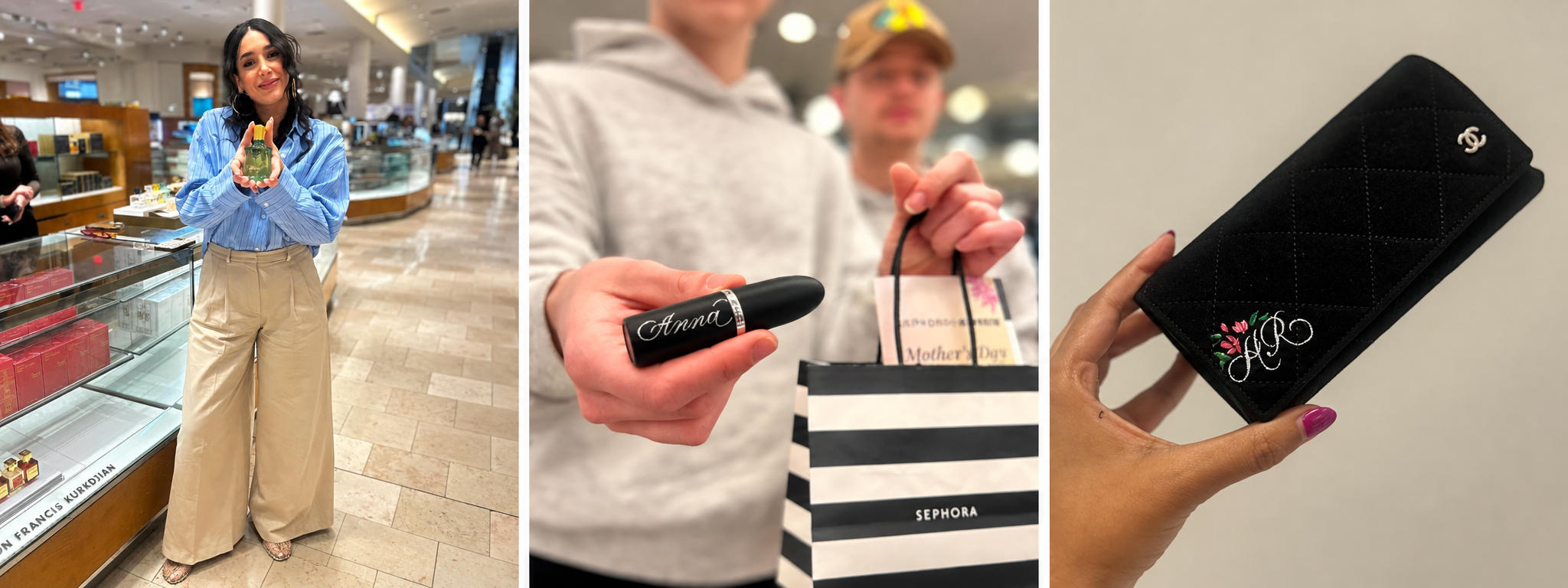
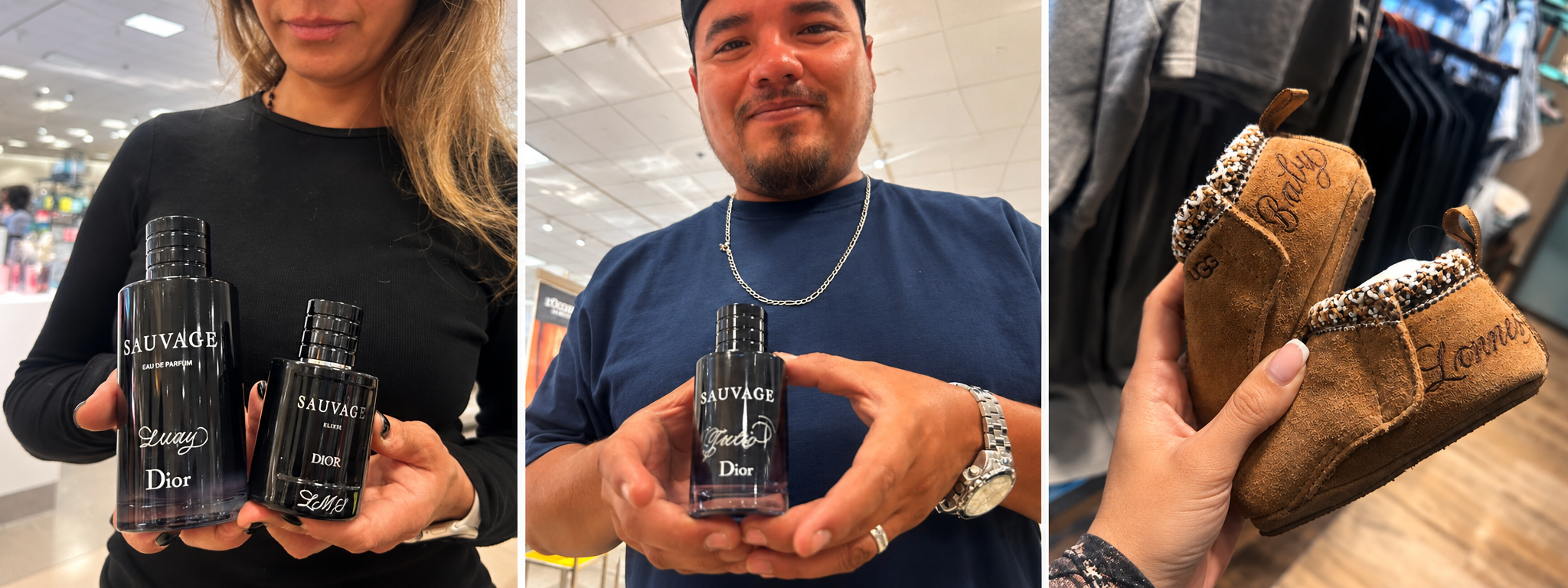
Live Engraving
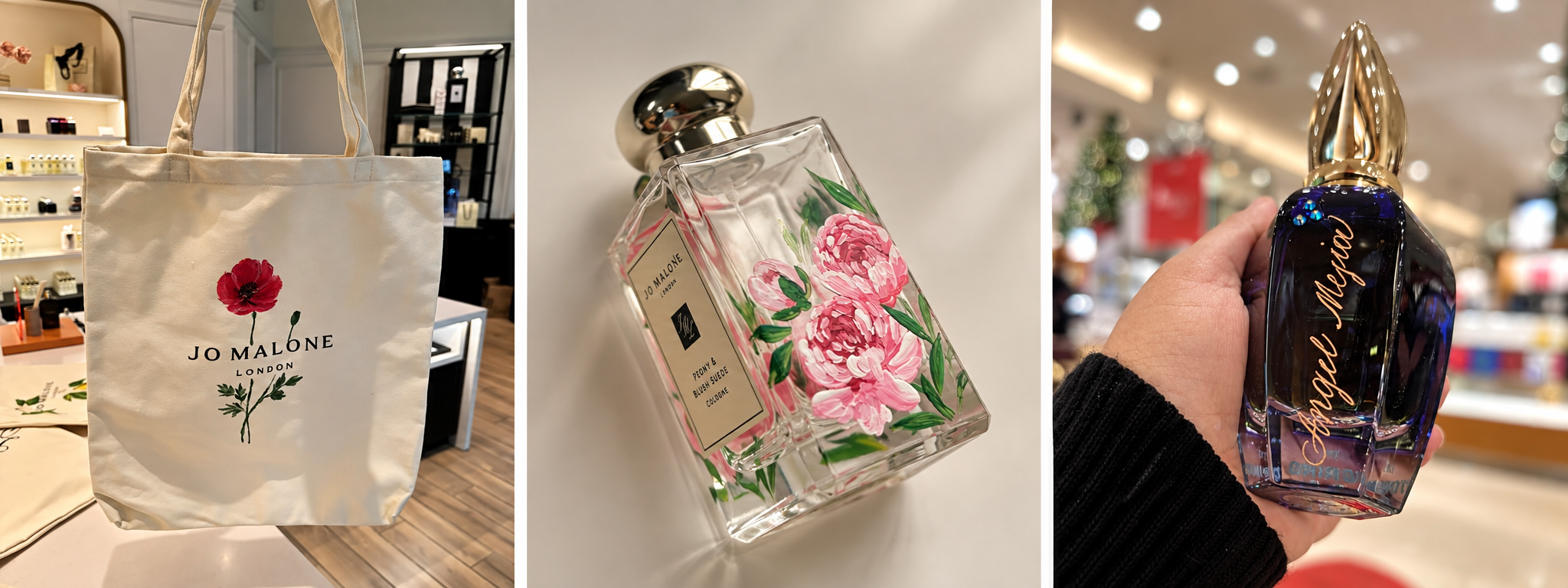
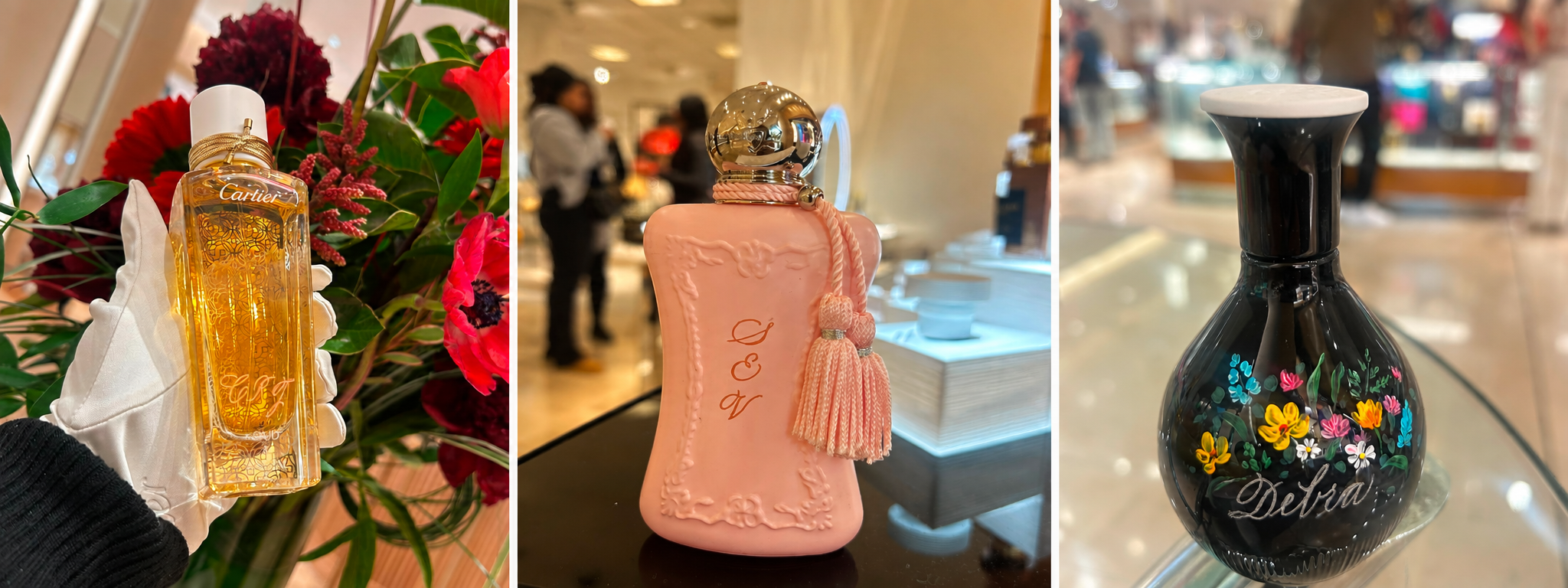
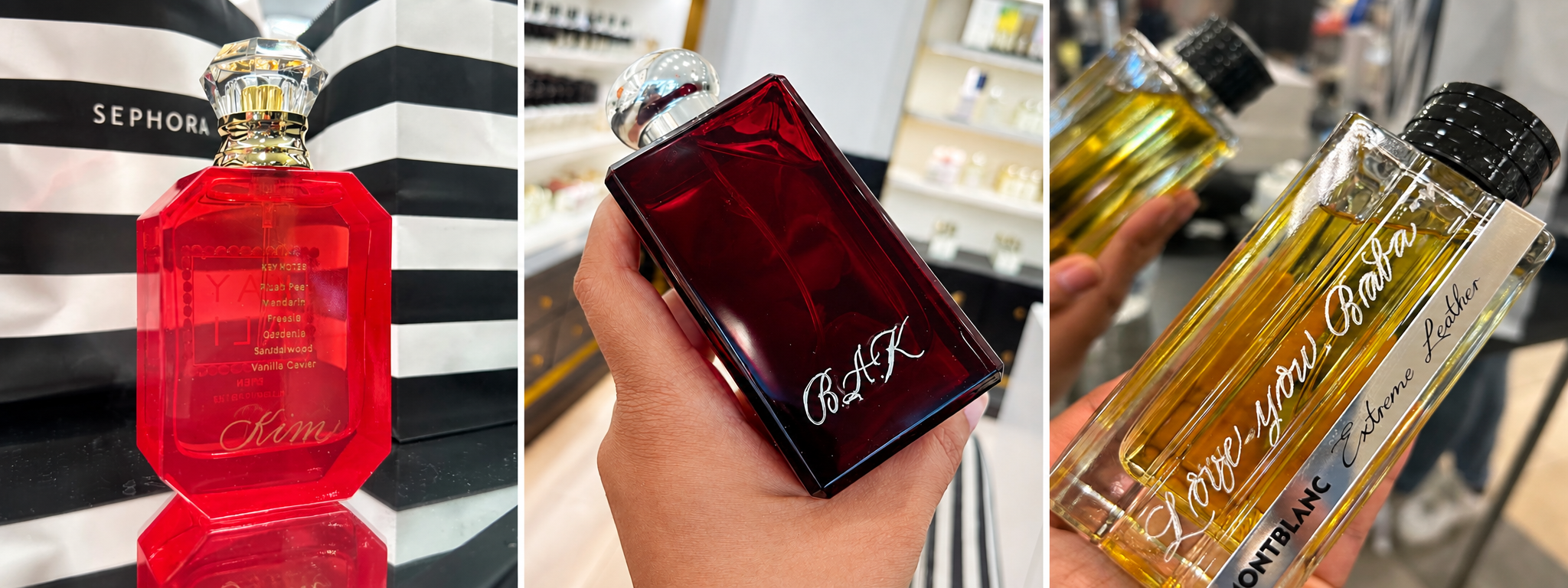
Customers watch fragrance bottles, glassware, metal accessories, or gifts personalized on-site.
Live Monogramming & Hot Foiling
Leather goods, luggage tags, card cases, notebooks, and accessories can be personalized with initials or names.
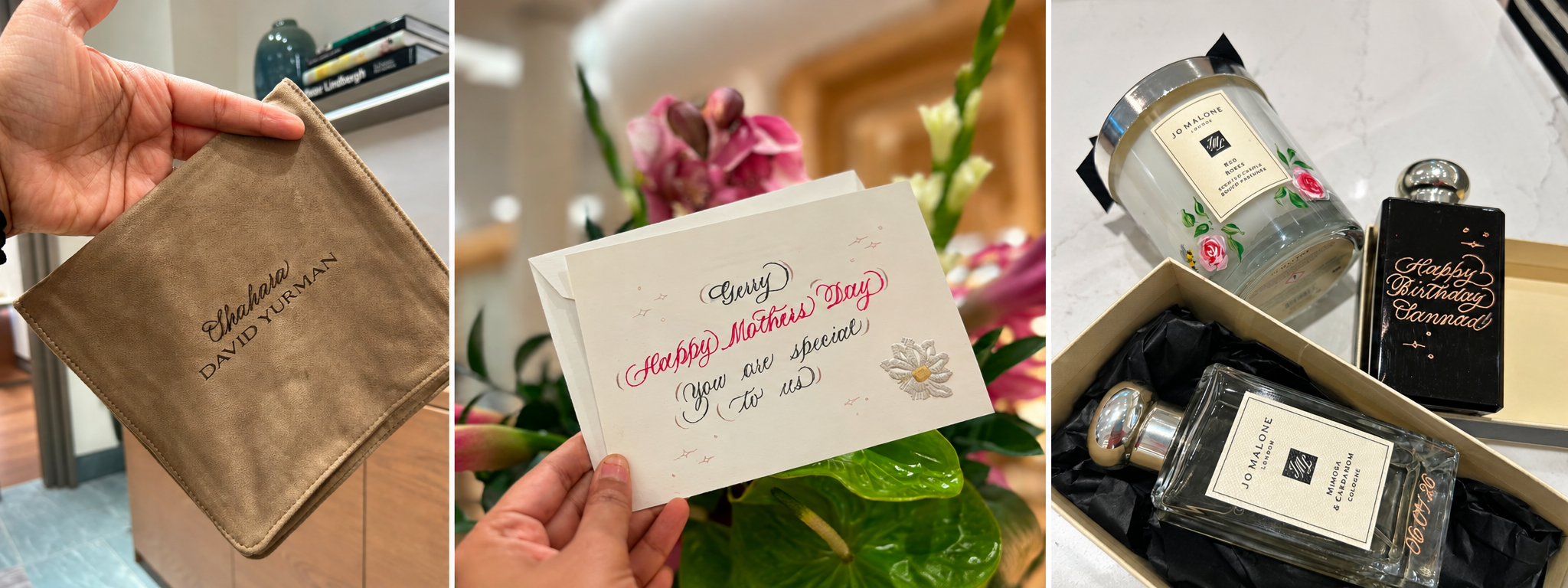
Live Calligraphy
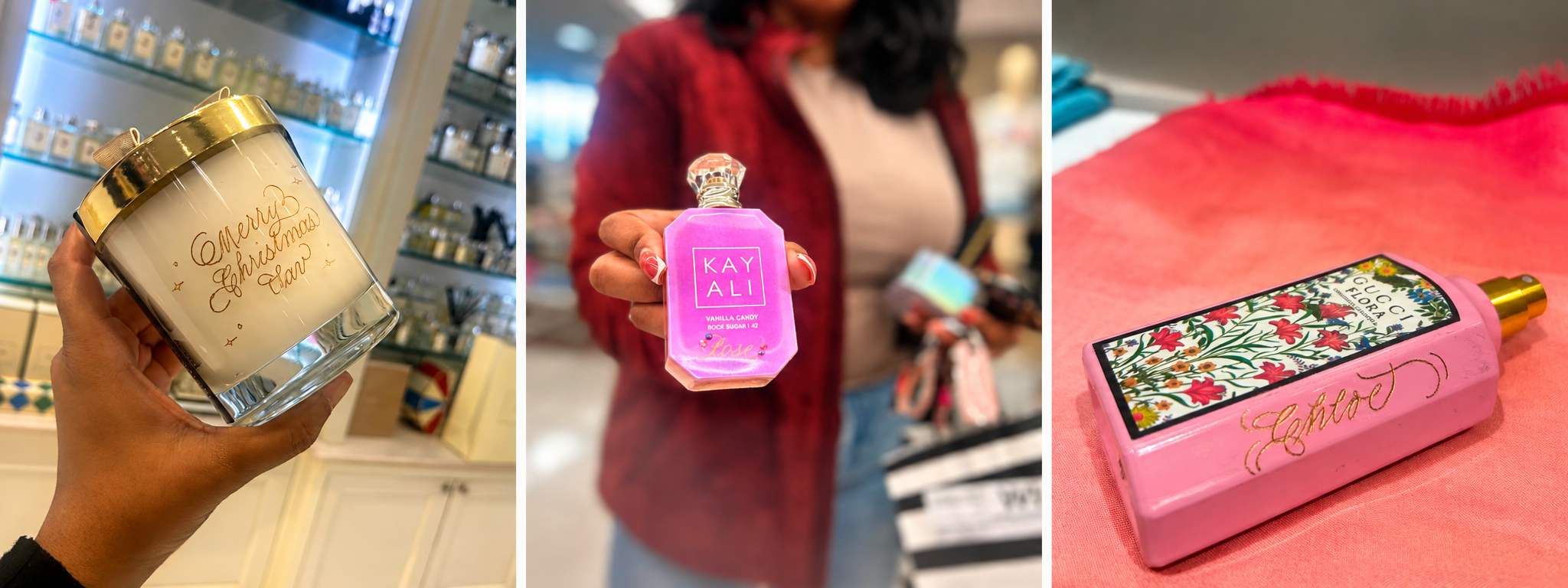
Gift tags, cards, packaging, bottles, ornaments, and other holiday products can be personalized.
Live Product Painting
Artists can create hand-painted details directly on products, packaging, bottles, or gifts.
Live Illustration
Guests can receive custom illustrations or personalized artwork.
Interactive Workshops
Small creative experiences can allow guests or employees to participate directly.
The right activation should make sense for the audience, brand, environment, event objective, and available time.
3. Choose the Right Products for a Holiday Activation
The product is an important part of the experience, particularly when live personalization is involved.
Consider:
Is it useful?
Will the recipient actually use or display it?
Is it relevant to the brand?
The product should feel intentional rather than like random promotional merchandise.
Can it be personalized efficiently?
The surface, material, shape, and size all matter.
How long does personalization take?
A product requiring two minutes per guest creates a very different activation than one requiring ten minutes.
Does it feel valuable enough to keep?
Potential products include fragrance bottles, ornaments, leather goods, travel accessories, drinkware, beauty products, gift boxes, notebooks, accessories, and premium corporate gifts.
4. Determine Your Cities, Stores and Activation Dates
Once the concept is established, create a master activation schedule.
For every location, document:
City / Market
Store or Venue
Activation Date
Activation Hours
Expected Attendance
Expected Participation
Local Point of Contact
Product Quantity
Artist Requirements
Shipping Deadline
Setup / Load-In Time
For a nationwide activation, this master schedule becomes one of the most important operational documents.
5. Create One Repeatable Activation Experience
A customer experiencing the activation in Detroit should receive an experience that feels connected to what another customer experiences in Chicago, New York, Los Angeles, or another market.
That doesn't mean every detail needs to be identical.
It means the important elements should be standardized.
Determine:
Products
Personalization options
Approved colors
Lettering or design styles
Personalization placement
Character limits
Packaging
Signage
Artist presentation
Guest ordering process
Workstation requirements
Creating these standards early makes it easier to scale the experience.
6. Test Products Before the Nationwide Rollout
Never assume that a product will work simply because the material appears engravable, paintable, or suitable for personalization.
Test it.
Create an approved sample before the program launches.
Test:
Material
Personalization method
Placement
Colors or foil options
Tools
Character limits
Personalization time
Packaging and handling
For multi-location programs, photograph the approved samples and include them in the activation guidelines so artists in different markets have the same reference.
7. Calculate Guest Volume and Personalization Throughput
This is especially important for live personalization.
Start with:
Expected Attendance × Expected Participation Rate = Estimated Personalized Items
Then:
Estimated Personalized Items ÷ Activation Hours = Required Hourly Throughput
For example, don't simply say:
“We expect 500 guests.”
Ask:
How many are expected to participate?
How many hours is the activation?
How long does each personalization take?
How many artists or stations are required to accommodate that volume?
Personalization complexity matters. Initials may take significantly less time than detailed artwork or longer custom messages.
8. Plan Nationwide Artist Staffing
A nationwide activation may require artists in several cities, sometimes on the same date.
Staffing should be planned according to:
Location
Activation hours
Expected participation
Personalization method
Average time per item
Number of simultaneous locations
Required equipment
Artist experience
Backup requirements
Depending on the program, brands may use local artists, traveling artists, or a combination of both.
For larger programs, having centralized artist coordination can help maintain consistency while reducing the burden of sourcing and managing separate artists in every market.
9. Create an Activation Playbook
For a nationwide activation, create one central document that everyone works from.
The playbook can include:
Brand Guidelines
Logos, colors, visual requirements, and presentation expectations.
Approved Personalization
Names, initials, character limits, styles, colors, and placement.
Product Information
Photos, materials, approved samples, and testing notes.
Artist Instructions
Arrival time, attire, equipment, setup, contacts, and responsibilities.
Guest Experience
How customers participate and submit personalization requests.
Capacity Plan
Expected volume and target throughput.
Location Information
Address, parking, loading, setup, activation hours, and local contacts.
Escalation Plan
Who should be contacted if something changes.
10. Prepare the Retail Staff at Every Location
Artists aren't the only people who need to understand the activation.
Store and event teams should know:
What the activation is
When it begins and ends
Where it will be located
How customers participate
What products qualify
Whether purchase is required
What personalization is available
How queues should be handled
What the artist is responsible for
What the store is responsible for
Who to contact with questions
A short location brief can prevent confusion on event day.
11. Plan Shipping, Inventory and Logistics
Nationwide programs create logistical questions that don't exist at a single event.
Determine:
Who supplies the products?
Where are they being shipped?
Who receives the shipment?
How much inventory goes to each location?
Who supplies personalization equipment and materials?
What happens to unused inventory?
What happens if a shipment is delayed?
Are backup products or supplies available?
Who is responsible for returning products or equipment?
Create a location-by-location logistics checklist rather than relying on email threads.
12. Plan the Customer Journey and Queue
A successful activation isn't only about the artwork.
Think through the entire customer experience:
DISCOVER → CHOOSE → PERSONALIZE → ENGAGE → RECEIVE
Where does the customer first notice the activation?
Where do they choose their personalization?
Who collects names or initials?
Where do they wait?
What happens while the artist is working?
How do they receive the finished product?
A line isn't necessarily bad—it can create visibility and interest—but an unmanaged line can quickly hurt the experience.
13. Build a Nationwide Holiday Activation Budget
Rather than creating one vague national number, build the budget market by market.
Consider:
Products
Artists
Activation hours
Artist travel
Equipment
Personalization materials
Shipping
Signage/display
Creative development
Program coordination
Additional staffing
Contingency
Once each market is understood, combine those costs into the larger nationwide activation budget.
14. How Early Should You Plan a Nationwide Holiday Activation?
Large holiday programs should be planned well before the holiday shopping season.
A practical planning framework could look like:
6+ Months Before
Goals, markets, concept, preliminary budget.
4–6 Months Before
Products, creative direction, activation partners, initial artist sourcing.
3–4 Months Before
Product testing, artist staffing, creative approvals, location planning.
1–2 Months Before
Shipping plans, store coordination, artist briefs, capacity planning.
2–4 Weeks Before
Final inventory, schedules, contacts, logistics, and confirmations.
Event Week
Execution, communication, troubleshooting, and reporting.
The larger the number of markets or simultaneous activations, the more valuable early planning becomes.
15. What KPIs Should You Track for a Retail Activation?
The right KPIs depend on the original objective.
Potential measurements include:
Total Participants
Personalized Items
Participation Rate
Store Traffic
Dwell Time, when measurable
Purchases or Conversions, when tracked
Product Sell-Through
Email or SMS Sign-Ups
QR Code Scans
Social Posts and Mentions
Cost Per Engaged Guest
For nationwide programs, measure performance by location as well as across the overall campaign.
That can help identify which markets, products, activation formats, and personalization options generated the strongest engagement.
16. Common Nationwide Holiday Activation Mistakes
Some of the most common planning mistakes include:
Waiting too long to book artists or vendors
Selecting products without testing them
Underestimating participation
Offering too many personalization choices
Not planning guest flow
Sending different instructions to different locations
Not creating approved samples
Shipping products too close to the activation date
Failing to establish a local point of contact
Not preparing retail staff
Not having backup plans
Not defining success metrics before the program begins
17. Should You Use a Retail Activation Agency or Specialist?
The right partner depends on the scope of the program.
A full-service retail activation agency may manage the broader campaign, including strategy, creative, production, media, fabrication, and other components.
A specialized activation partner may handle one important part of the experience, such as live personalization, artist staffing, gifting, or multi-market execution.
For nationwide programs, determine exactly who owns each part of the activation before execution begins.
18. Planning One Location vs. a Nationwide Activation
The biggest difference is coordination.
A single-location activation may require one artist, one shipment, one store contact, and one schedule.
A nationwide activation can involve dozens of artists, locations, shipments, contacts, schedules, and event-day variables.
The creative idea may be simple.
Making that idea repeatable is what allows it to scale.
Frequently Asked Questions for Nationwide Actovation
-
A retail activation is an experience designed to encourage customers to interact with a brand, product, or campaign in a retail environment. Activations can include live personalization, sampling, product demonstrations, gifting, pop-ups, workshops, and other interactive experiences.
-
Holiday retail activation ideas include live engraving, monogramming, calligraphy, product painting, personalized gifting, live illustration, product demonstrations, interactive workshops, sampling, and other experiences that give customers a reason to participate.
-
Start by defining the objective, markets, dates, products, customer experience, and budget. Then create consistent activation guidelines, test products, calculate capacity, coordinate staffing and logistics, brief each location, and establish how results will be measured.
-
You can reach us anytime via our contact page or email. We aim to respond quickly—usually within one business day.
-
Create a central activation plan and location-specific briefs covering dates, hours, contacts, products, inventory, staffing, shipping, setup, personalization guidelines, capacity, and reporting.
-
Determine artist requirements for each location based on activation hours, expected participation, personalization time, and the number of simultaneous events. Staffing may involve local artists, traveling artists, or a combination of both.
-
It depends on expected participation, activation duration, product type, and personalization complexity. Estimate the number of items that need to be completed per hour and use that to determine appropriate staffing.
-
Products should be useful, relevant to the brand, suitable for personalization, and realistic to customize within the available event time. Examples include fragrance bottles, leather goods, ornaments, drinkware, travel accessories, beauty products, and premium gifts.
-
Costs vary depending on the number of locations, activation hours, products, staffing, artist travel, shipping, equipment, personalization complexity, and program coordination. Building the budget location by location can provide a clearer national estimate.
-
Create approved samples and centralized guidelines covering products, personalization options, design styles, placement, colors, artist presentation, signage, workstation requirements, and guest experience.
-
Start with the campaign objective and measure the metrics connected to it. These may include participation, personalized items, traffic, dwell time, purchases, product sell-through, lead capture, social engagement, or cost per engaged guest.
-
Look for experience relevant to the activation, the ability to support multiple markets, clear communication, product-testing processes, staffing capabilities, capacity planning, consistent creative standards, and a defined process for event-day coordination.
-
Caloswords creates and coordinates live personalization experiences for retail brands, corporate events, trade shows, and multi-location programs.
Services include live engraving, calligraphy, painting, monogramming, hot foiling, live illustration, and personalized gifting.
For multi-city programs, Caloswords can support artist sourcing, product testing, staffing, capacity planning, creative guidelines, and activation coordination.
Detroit · Chicago · Nationwide
Planning a Multi-City or Nationwide Activation?
Tell us your locations, dates, expected attendance, products, and activation goals, and we can help determine the appropriate personalization experience and staffing approach.