

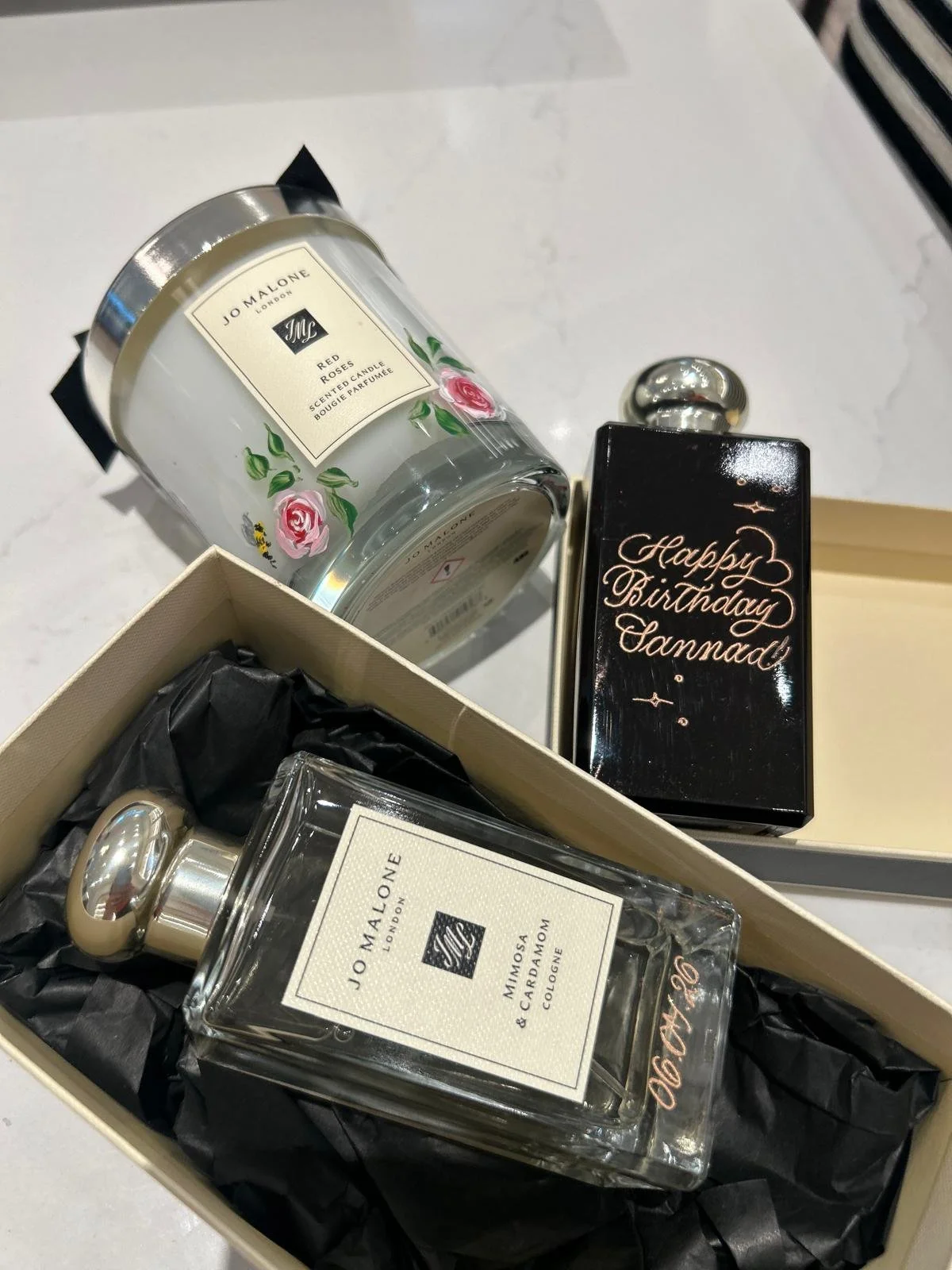
How Live Personalization Turns Beauty Purchases Into Non-Returnable Sales (and Unlocks Millions in ROI)
How Live Personalization Turns Beauty Purchases Into Non-Returnable Sales
The Hidden Profit Leak in Beauty Retail: Returns
In beauty retail, returns are often treated as a cost of doing business. But for large retailers, they represent something much more serious: a silent, recurring margin leak that compounds at scale.
Across cosmetics, fragrance, skincare, and luxury beauty categories, return rates may look manageable at the product level. But at the enterprise level, they translate into millions in lost revenue annually once you account for:
Reverse logistics and handling costs
Product depreciation (especially opened items)
Restocking inefficiencies
Damaged brand perception
Lost lifetime customer value
The real issue is not just that returns happen. It’s that they are often preventable purchase mismatches.
And that is where the return angle becomes the most powerful business argument in modern retail transformation.
Why Beauty Returns Happen (And Why Most Solutions Miss the Root Cause)
Most beauty returns are not driven by defect or dissatisfaction in the traditional sense. They happen because of one core gap:
The customer makes a high-stakes, highly personal decision with insufficient contextual confidence.
In beauty, “almost right” is still wrong:
The shade is slightly off
The texture doesn’t feel right
The product doesn’t match skin tone or undertone
The fragrance doesn’t align with expectations
E-commerce, static testers, and even traditional in-store sampling fail to close this confidence gap at scale.
Retailers respond with:
Better product descriptions
Reviews and ratings
Generic recommendation engines
Broad segmentation (“dry skin,” “oily skin,” etc.)
But none of these eliminate uncertainty at the moment of purchase.
The Shift: From Recommendation to Real-Time Personalization
The next evolution is not more data. It’s real-time, human-guided personalization at the point of decision.
Live personalization (whether in-store or digital assisted) changes the purchase dynamic from:
“I hope this works”
to
“This is made for me, right now, based on what I can see and experience.”
This includes:
Skin tone and undertone matching in real time
Live shade selection with visual confirmation
Guided product pairing based on actual customer presentation
Expert-assisted personalization at the point of purchase
The key shift is psychological: it replaces uncertainty with certainty.
And certainty is what eliminates returns.
The Business Case: How Personalization Directly Reduces Returns
For beauty retailers, live personalization is not just a customer experience upgrade—it is a returns prevention system.
When customers experience tailored guidance during purchase, three things happen:
1. Purchase accuracy increases
Customers are significantly more likely to choose the correct shade, formulation, or product variant on the first attempt.
2. Expectation alignment improves
The product experience matches the pre-purchase visualization or recommendation, reducing “expectation mismatch” returns.
3. Confidence replaces trial-and-error buying
Customers stop buying multiple versions “to try at home,” which directly reduces return volume.
The result is measurable:
Fewer SKUs returned per transaction, higher conversion confidence, and improved net revenue per customer.
ROI Impact: Why Retailers Should Care Now
Returns don’t just reduce revenue—they distort unit economics.
Even a small reduction in return rate in beauty categories can translate into:
Higher gross margin per transaction
Lower fulfillment and reverse logistics cost
Improved inventory efficiency
Increased customer lifetime value
Reduced environmental waste (a growing ESG concern in beauty retail)
For enterprise retailers, the ROI of live personalization is not theoretical. It compounds across every transaction that no longer re-enters the returns pipeline.
Why This Matters More in Beauty Than Any Other Category
Beauty is uniquely sensitive to personalization because it is:
Highly visual
Highly subjective
Highly individual (skin tone, texture, preference)
Emotionally driven at point of purchase
Unlike apparel or electronics, there is no “standard fit” equivalent. That makes beauty one of the highest-return-risk categories in retail—and one of the highest ROI opportunities for personalization technology.